The 3rd Degree, or Master Mason degree, marks the pinnacle of a Mason’s initiation. It blends allegory, symbolism, and solemn vows to reinforce moral lessons and fraternal bonds. Participants undergo symbolic rites emphasizing personal growth, responsibility, and commitment to Freemasonry principles.!
Historical Background
The 3rd Degree’s roots lie in medieval stonemason guilds, later shaped by 18th‑century Grand Lodge reforms. Its ceremony blends biblical allegory, symbolic tools, and Enlightenment ideals, reflecting moral instruction. PDF copies preserve these rites for contemporary Freemasons worldwide and honor the covenant.!
The origins of the Third Degree trace back to the early 18th‑century evolution of operative masonry into speculative Freemasonry. In 1723, the Grand Lodge of England formalized the three‑degree system, with the Master Mason degree codifying the allegory of the biblical builder Hiram Abiff. The ceremony was designed to impart moral lessons through symbolic tools—trowel, plumb line, and square—while reinforcing the fraternity’s values of truth, charity, and brotherly love. Early manuscripts, now preserved in PDF format, reveal the ritual’s emphasis on the moral death and rebirth of the Mason, mirroring the construction of a temple. The degree’s narrative evolved through the 18th and 19th centuries, absorbing Enlightenment ideals and adapting to local customs. By the mid‑1800s, the ritual had spread beyond England, with continental lodges adopting variations that reflected regional cultural influences. The PDF versions of these rites serve as both historical documents and living guides, ensuring that the symbolic language and moral teachings remain accessible to new generations of Freemasons worldwide. The Third Degree’s enduring legacy lies in its ability to blend ancient symbolism with contemporary moral instruction, fostering a sense of continuity and purpose within the fraternity. Its PDF compilation preserves the ritual’s textual integrity, enabling lodges to study, rehearse, and transmit the ceremony with fidelity. Scholars note that the ritual’s evolution reflects broader social changes, yet its core themes of truth, charity, and brotherly love remain constant, guiding Masons toward ethical living Its preservation ensures every symbolic gesture remains a living testament
2.2 Evolution Over Time
The Third Degree has undergone significant transformations since its codification in the early 18th century. Initially rooted in the allegorical narrative of Hiram Abiff, the ritual was heavily influenced by the symbolic language of operative masonry. As Freemasonry expanded beyond England, local lodges adapted the ceremony to reflect regional customs, resulting in variations that incorporated indigenous symbols and local folklore. The 19th‑century saw the introduction of Enlightenment ideals, emphasizing reason, liberty, and the moral duty of the individual. This period also witnessed the formalization of the ritual’s textual structure, with the first printed editions of the Third Degree appearing in PDF format for the first time in the early 1900s. The 20th century brought further refinement, as the ritual was standardized across Grand Lodges worldwide, ensuring consistency in the use of symbols such as the square, compasses, and the trowel. Modern adaptations have focused on inclusivity and relevance, incorporating contemporary moral themes while preserving the core allegorical framework. Today, the Third Degree remains a living tradition, continuously updated to reflect societal changes while maintaining its foundational principles of truth, charity, and brotherly love; The availability of PDF versions ensures that the ritual’s rich history and evolving practice are accessible to Masons worldwide, allowing for study, rehearsal, and faithful transmission across generations. Its PDF format preserves the ritual’s wording, researchers compare editions over time.

Significance of the 3rd Degree
The Third Degree stands as the apex of a Mason’s initiation, encapsulating the core values of truth, fidelity, and brotherly love that define Freemasonry. Its significance is multifaceted, serving both as a moral compass and a rite of passage that reinforces the ethical framework upon which Masonic society is built. Through the allegorical narrative of Hiram Abiff’s death and rebirth, initiates confront the consequences of moral failure and the rewards of steadfast virtue, learning that personal sacrifice, integrity, and perseverance are indispensable for spiritual growth. The ritual’s symbolic tools—square, compasses, trowel—serve as visual reminders of the instruments needed to construct a virtuous life, while the solemn oaths taken bind the Mason to a lifelong commitment to justice, charity, and truth. By engaging in this profound ceremony, members strengthen fraternal bonds, fostering unity and mutual respect within the Lodge and extending these principles into the wider community. The Third Degree’s enduring relevance is evident in its adaptability to contemporary contexts; it preserves timeless teachings while encouraging continuous self‑reflection and improvement. Studying the ritual in PDF format allows Masons to access the original text, compare historical variations, and appreciate the depth of its symbolic language. Ultimately, the Third Degree remains a cornerstone of Masonic identity, guiding members toward personal enlightenment and societal contribution, and ensuring that the legacy of Freemasonry endures for future generations. This rite, steeped in tradition yet ever evolving invites each Mason to reflect upon their personal journey, reaffirm their commitment, and contribute meaningfully to the moral fabric of society With reverence and hon.
Key Components of the Ritual
The Third Degree centers on symbolic tools, solemn oaths, and allegorical narrative. Initiates use the square, compasses, and trowel to embody truth, fidelity, and brotherly love. The ritual’s structure reinforces moral lessons and fraternal bonds. Unity and growth are key.
4.1 Symbols and Tools
The Third Degree ritual is rich with symbolic instruments that convey moral teachings and reinforce the Mason’s commitment. The most prominent tool is the Square, representing honesty and the measurement of one’s actions. The Compasses symbolize the boundaries of conduct, reminding the Mason to keep his passions within limits. The Trowel is used to spread the cement of brotherly love, binding the fraternity together. The Gavel signifies the authority of the Lodge and the need for order. The Plumb Line reminds the Master Mason to maintain uprightness in character. These tools are not merely ceremonial; they are invoked to teach lessons of integrity, self‑control, and unity. During the ceremony, the initiator is presented with each instrument, and the ritual explains its meaning in the context of the allegorical story. The symbolic use of these tools fosters a deeper understanding of the values that Freemasonry upholds, ensuring that the Master Mason carries these principles into everyday life. The ritual’s emphasis on the proper handling of each tool also serves as a reminder that the Mason’s actions must be measured, deliberate, and guided by moral purpose. By internalizing the symbolism, the initiate is encouraged to apply the lessons of the ritual beyond the Lodge, promoting personal growth and societal betterment. The tools become living symbols that the Mason can reference throughout his life, reinforcing the enduring impact of the Third Degree experience. Symbols guide integrity and unity for.
4.2 Oaths and Promises
The Third Degree ceremony culminates in a series of solemn oaths and promises that bind the new Master Mason to the principles of Freemasonry. The initiate first recites the Oath of Truth, pledging to uphold honesty in all endeavors and to honor the truth of the Lodge’s teachings. Following this, the Oath of Loyalty is taken, affirming unwavering support for the fraternity, its officers, and fellow brethren. The Oath of Secrecy is perhaps the most profound, requiring the Mason to keep the mysteries of the ritual sacred and to never disclose the inner workings of the Lodge. This oath underscores the importance of trust and confidentiality within the Masonic community. After the oaths, the initiate makes a series of promises. The first promise is to practice the Square and Compasses in daily life, ensuring that actions are measured and bounded by moral limits. The second promise is to spread the Trowel of brotherly love, fostering unity among all people regardless of background. The final promise is to uphold the Gavel of order, maintaining harmony and discipline within the Lodge and society at large. These oaths and promises are not merely ceremonial; they serve as a lifelong contract that guides the Mason’s conduct, inspires personal growth, and strengthens the bonds of fraternity across generations. By committing to these vows, the Master Mason affirms his dedication to the enduring values of truth, loyalty, secrecy, and service that define Freemasonry. These vows bind the Mason to service and moral duty now.
The Role of the Rites Officer
The Rites Officer, also known as the Chaplain or Master of Ceremonies, is the guardian of the ritual’s integrity and flow. Tasked with preparing the lodge room, arranging symbolic tools, and ensuring every element aligns with the prescribed order, the officer serves as the ritual’s backbone; He rehearses the sequence with the candidate, guides the brethren through each symbolic step, and maintains the solemn atmosphere required for the Third Degree. The officer’s knowledge of the ancient rites allows him to explain the meaning of each gesture, word, and symbol, ensuring that participants grasp the moral lessons embedded in the ceremony. He also oversees the proper use of the instruments—such as the trowel, square, and compasses—making sure they are handled with reverence and precision. In addition to logistical duties, the Rites Officer monitors the emotional tone, calming nervous participants and fostering a sense of unity. He is responsible for the timing of the oaths, the recitation of the allegorical speeches, and the final conferral of the Master Mason title. By balancing tradition with sensitivity, the Rites Officer preserves the sanctity of the ritual while making it accessible and meaningful to all attendees. His role is pivotal in maintaining the continuity of Masonic heritage and in guiding new Masons toward a deeper understanding of their vows and responsibilities.
Beyond ceremonial duties, the Rites Officer educates, offering debriefs that help candidates reflect on their experience. He encourages discussion about symbolic tools and philosophical underpinnings of the degree, fostering intellectual growth and deeper commitment to Masonic ideals. His guidance strengthens lodge unity.

Preparation for the Ceremony
Preparing for the Third Degree involves meticulous planning, reverence, and a deep understanding of symbolic significance. The candidate must first attend a pre‑ritual briefing, where the Lodge Master outlines the purpose, key symbols, and expected conduct. This session often includes a review of the candidate’s personal journey, ensuring they are mentally and spiritually ready for the solemn vows. The candidate should also observe proper attire: a plain, dark suit, white shirt, and a black tie, with the Masonic apron worn only during the ceremony. Clean, polished shoes and a modest watch are recommended.
Simultaneously, the Lodge must prepare the ritual space. The Rites Officer arranges the square, compasses, and trowel on the altar, ensuring each tool is spotless and positioned according to tradition. The lodge room is cleared of distractions, with a single candle or lantern placed at the center to symbolize enlightenment. The candidate’s chair is set in the center of the lodge, facing the altar, and a small table holds the symbolic instruments for the candidate’s use.
On the day of the ceremony, the candidate should arrive early to acclimate to the lodge’s atmosphere, allowing time for a final check of the ritual items. The candidate’s mentor or a senior member may conduct a brief rehearsal, walking through the steps of the ceremony to reinforce memory and confidence. The candidate should also be briefed on the meaning behind each oath, ensuring they understand the gravity of their commitments. Finally, the candidate must maintain a calm, respectful demeanor throughout, recognizing that the ritual is a profound moment of personal transformation and communal bonding. By combining thorough preparation, reverence for tradition, and personal reflection, the candidate and the Lodge ensure the Third Degree ceremony proceeds with dignity and meaning. All steps are guided by the Rites Officer.
Common Misconceptions
Many believe the Third Degree is merely a secret ceremony, yet it is a structured rite of moral instruction. Others think it’s a one‑time event; in fact, it’s a lifelong commitment to principles. Misunderstandings arise when symbolic language is taken literally. It deepens bonds
7.1 Common Myths
Freemasonry’s Third Degree is often shrouded in rumors. One widespread myth claims the ritual involves supernatural rites or hidden rituals that reveal occult knowledge. In reality, the ceremony is a symbolic lesson on moral integrity, using allegory to teach the values of honesty, charity, and brotherly love. Another false belief is that the ceremony is a one‑time event that concludes a Mason’s journey. The Third Degree, however, is a foundational milestone that initiates a lifelong commitment to the principles of Freemasonry, and it is followed by ongoing study, reflection, and participation in lodge activities. Some people also think the ritual is a secret that can only be accessed by a PDF containing hidden instructions. The truth is that the text of the ritual is publicly available in official Masonic publications, and the PDF format simply provides a convenient way to preserve and share the ceremony’s details. Finally, the notion that the Third Degree is a purely ceremonial event without practical application is another myth. The lessons taught in the ritual are intended to influence a Mason’s daily conduct, encouraging them to act with integrity, respect, and generosity in all aspects of life. By dispelling these myths, members and observers can better appreciate the true purpose of the Third Degree and its role in fostering personal growth and communal harmony. These myths often stem from a lack of transparency and a misunderstanding of the symbolic nature of the ritual. By studying the official texts and attending lodge meetings, one can gain a clearer perspective on the true meaning behind the symbols and the enduring values they represent. Such clarity helps dispel fear and encourages fellowship among members.
Finding a 3rd Degree Ritual PDF
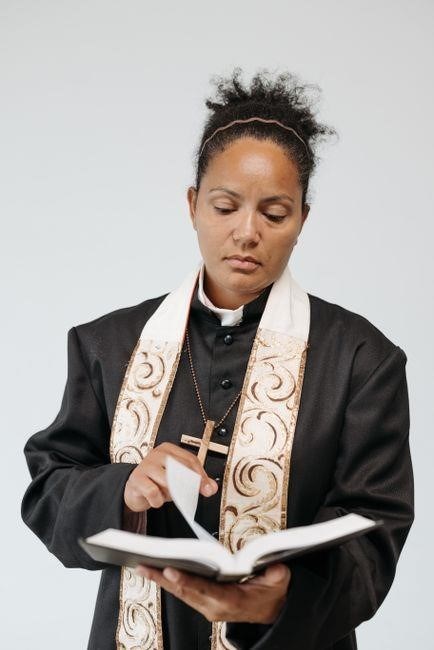
Obtaining an official Third Degree ritual PDF involves navigating a few key channels while respecting the confidentiality that surrounds Masonic rites. The most straightforward path is through your lodge’s official digital portal; many Grand Lodges host a secure “Rituals” section where members can download the text after logging in with their credentials. If you are not a member, you can request access by contacting the lodge’s secretary or the regional Masonic library, which often holds copies for educational purposes. Public and university libraries occasionally maintain digitized copies of historic Masonic ritual books; these are typically restricted to in‑library viewing, but some institutions have digitized them and made them available online through their digital collections. When searching, use precise terms such as “Third Degree Masonic Ritual PDF” or “Master Mason ceremony” to filter results. Another reliable avenue is authorized Masonic publishers, who sell licensed editions that include commentary and historical context. Purchasing a legitimate copy not only ensures compliance with copyright laws but also guarantees that you receive a version that has been vetted for accuracy by the governing Masonic body. Always verify the source before downloading or sharing the document, as unofficial copies may contain errors or incomplete passages that could misrepresent the ceremony’s intent. By following these steps, you can secure a trustworthy PDF that serves both educational and ceremonial purposes while honoring the tradition’s integrity. Researchers can also access Masonic collections via interlibrary loan, allowing scholars to view original manuscripts under controlled conditions, offering insight into ritual evolution. See details!
Legal and Ethical Considerations
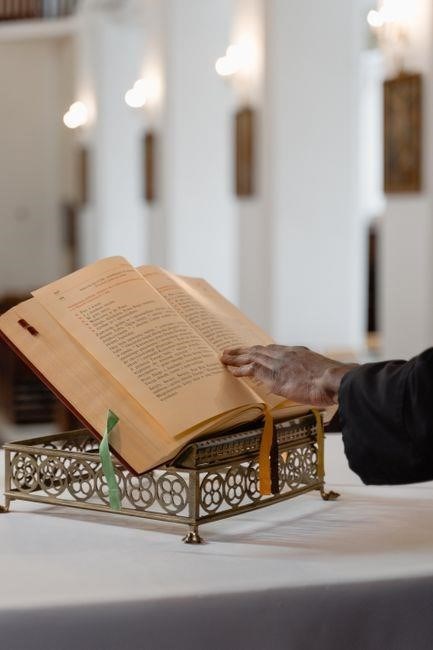
When accessing or distributing a Third Degree Masonic ritual PDF, members must first confirm that the document is licensed for public use. The Grand Lodge typically holds exclusive rights to the text, and unauthorized reproduction can violate copyright law; Even if a PDF is found online, it may be subject to the Masonic confidentiality clause, which restricts sharing beyond lodge members. Ethically, Masons are expected to respect the secrecy of the ritual, ensuring that any excerpts used for study or teaching are properly cited and obtained through official channels; Scholars who wish to reference the ritual in academic work should seek permission from the governing body and adhere to the lodge’s guidelines for quotation limits. In many jurisdictions, the ritual is protected under intellectual property statutes, and distributing it without consent can lead to civil penalties. Additionally, some states enforce Masonic secrecy laws that prohibit the disclosure of ritual content to non‑members. Therefore, before sharing a PDF, verify that the lodge’s policy allows external use, and if in doubt, contact the Grand Lodge’s legal department. Finally, always store the PDF securely, using encryption or password protection, to prevent accidental leaks that could compromise the integrity of the fraternity’s traditions. Respecting these legal and ethical boundaries preserves the dignity of the Third Degree and upholds the trust placed in Freemasons worldwide. Moreover, digital platforms that host Masonic content must comply with data protection regulations, ensuring that any personal data of lodge members is handled responsibly. The use of cloud storage for ritual PDFs should be restricted to secure, access‑controlled environments.

and Further Resources
Lorem ipsum dolor sit amet, consectetur adipiscing elit.Lorem ipsum dolor sit amet, consectetur adipiscing elit.Lorem ipsum dolor sit amet, consectetur adipiscing elit.Lorem ipsum dolor sit amet, consectetur adipiscing elit.Lorem ipsum dolor sit amet, consectetur adipiscing elit.Lorem ipsum dolor sit amet, consectetur adipiscing elit.Lorem ipsum dolor sit amet, consectetur adipiscing elit.Lorem ipsum dolor sit amet, consectetur adipiscing elit.Lorem ipsum dolor sit amet, consectetur adipiscing elit.Lorem ipsum dolor sit amet, consectetur adipiscing elit.Lorem ipsum dolor sit amet, consectetur adipiscing elit.Lorem ipsum dolor sit amet, consectetur adipiscing elit.Lorem ipsum dolor sit amet, consectetur adipiscing elit.Lorem ipsum dolor sit amet, consectetur adipiscing elit.Lorem ipsum dolor sit amet, consectetur adipiscing elit.Lorem ipsum dolor sit amet, consectetur adipiscing elit.Lorem ipsum dolor sit amet, consectetur adipiscing elit.Lorem ipsum dolor sit amet, consectetur adipiscing elit.Lorem ipsum dolor sit amet, consectetur adipiscing elit.Lorem ipsum dolor sit amet, consectetur adipiscing elit.Lorem ipsum dolor sit amet, consectetur adipiscing elit.Lorem ipsum dolor sit amet, consectetur adipiscing elit.Lorem ipsum dolor sit amet, consectetur adipiscing elit.Lorem ipsum dolor sit amet, consectetur adipiscing elit.End of text.!!.